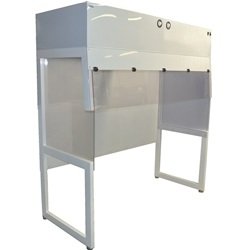
When you’re working in a laboratory environment, maintaining sterile conditions isn’t optional—it’s essential. Whether you handle sensitive biological samples, electronics, or pharmaceutical materials, even the smallest contamination can compromise your results. That’s where a laminar flow hood becomes your most reliable tool. Understanding how it works helps you use it more effectively and ensures your workspace remains consistently clean.
What Is a Laminar Flow Hood?
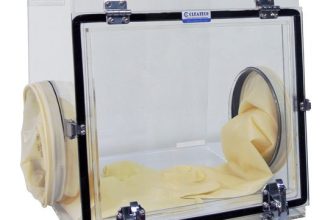
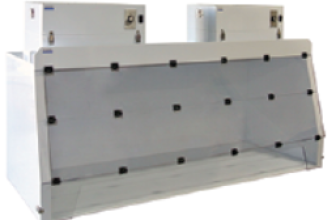
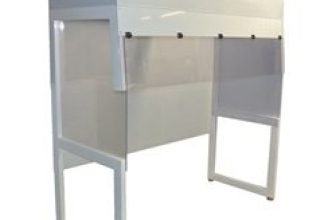
A laminar flow hood is a controlled workspace designed to protect your samples from airborne contamination. It does this by directing filtered air in a smooth, unidirectional stream across the work surface. This airflow minimizes turbulence and prevents particles from settling on your materials.
If you’re looking to explore options, you can check out this high-efficiency lab-grade laminar flow hood to better understand available configurations.
The Science Behind Sterility
At the core of every laminar flow hood is a High-Efficiency Particulate Air (HEPA) filter. This filter removes 99.97% of particles as small as 0.3 microns. When you operate the hood, air passes through this filter before entering the workspace, ensuring that only clean air comes into contact with your samples.
You benefit from two key airflow designs:
Horizontal Laminar Flow: Air moves from the back of the hood toward you.
Vertical Laminar Flow: Air flows from the top downward onto the work surface.
Both designs maintain sterility, but your choice depends on your application and safety requirements.
How Laminar Flow Prevents Contamination
To maintain sterile conditions, the hood relies on consistent, uniform airflow. This is called laminar airflow, where air moves in parallel layers without mixing. Here’s how it protects your work:
Continuous Air Sweep: Clean air constantly flows over your workspace, pushing contaminants away.
Particle Removal: Any particles introduced are immediately carried out of the sterile zone.
Minimal Turbulence: Smooth airflow prevents eddies where contaminants could accumulate.
When you use the hood correctly, you create a protective barrier that keeps your samples isolated from external pollutants.
Proper Usage Makes the Difference
Even the most advanced hood won’t maintain sterility if you don’t use it properly. You need to follow best practices to maximize its effectiveness:
Start Early: Turn on the hood at least 15–20 minutes before use to stabilize airflow.
Keep It Clean: Wipe down surfaces with appropriate disinfectants before and after each session.
Avoid Blocking Airflow: Arrange tools and materials to prevent obstruction of the air stream.
Work from Clean to Dirty: Always position sterile items upstream of potentially contaminated ones.
Limit Movement: Sudden motions can disrupt airflow and introduce particles.
By following these steps, you actively maintain the sterile environment the hood is designed to provide.
Role of HEPA Filters and Maintenance
Your laminar flow hood is only as effective as its filter. Over time, HEPA filters can become clogged or less efficient. Regular maintenance ensures consistent performance:
Routine Inspections: Check airflow velocity and filter integrity.
Scheduled Replacements: Replace filters as recommended by the manufacturer.
Professional Certification: Periodic testing verifies that the hood meets cleanliness standards.
If you’re sourcing reliable equipment and support, consider exploring solutions from trusted cleanroom equipment manufacturer and supplier to ensure long-term performance.
Environmental Control and Air Quality
Beyond filtration, the hood maintains sterility by controlling environmental factors:
Air Velocity: Ensures contaminants are quickly removed.
Pressure Balance: Prevents unfiltered air from entering the workspace.
Enclosure Design: Shields the work area from external disturbances.
These elements work together to create a stable microenvironment where your samples remain protected.
Common Mistakes to Avoid
You might unintentionally compromise sterility if you overlook key details. Avoid these common errors:
- Placing large objects directly in front of the filter
- Overcrowding the workspace
- Ignoring routine cleaning
- Frequently opening and closing the hood area
- Using the hood in a drafty or high-traffic environment
Being mindful of these factors helps you maintain optimal conditions every time you work.
Why Laminar Flow Hoods Are Essential
When you rely on sterile processes, consistency matters. A laminar flow hood gives you:
- Reliable contamination control
- Improved experiment accuracy
- Reduced risk of sample loss
- Enhanced productivity
It becomes a critical part of your workflow, especially in industries like pharmaceuticals, biotechnology, and electronics manufacturing.
Choosing the Right Hood for Your Needs
Not all laminar flow hoods are the same. You should consider:
- Size and workspace requirements
- Type of airflow (horizontal vs. vertical)
- Filter efficiency and replacement ease
- Material compatibility
Selecting the right system ensures you get the level of sterility your application demands.
If you need expert guidance or tailored solutions, you can always contact cleanroom specialists for laminar hood selection to make an informed decision.
FAQs About Laminar Flow Hoods
How often should you clean a laminar flow hood?
You should clean the hood before and after every use. Regular cleaning prevents buildup of contaminants and maintains sterile conditions.
Can a laminar flow hood protect you from harmful fumes?
No, laminar flow hoods are designed to protect samples, not users. For chemical protection, you should use a fume hood instead.
How long does a HEPA filter last?
Typically, HEPA filters last 3–5 years, depending on usage and environment. Regular inspections help determine when replacement is needed.
What is the ideal airflow velocity?
Most laminar flow hoods operate at an airflow velocity of around 0.3–0.5 m/s, which ensures effective contamination control.
Can you use a laminar flow hood in any room?
For best results, place the hood in a low-traffic, draft-free environment to prevent airflow disruption.
Conclusion
By understanding how a laminar flow hood works and applying best practices, you take full control of your sterile environment. With proper use and maintenance, you can protect your samples, improve accuracy, and maintain the highest standards in your lab operations.