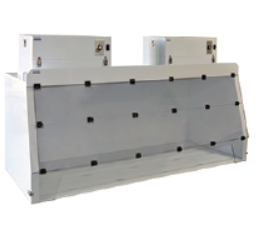
Laboratory efficiency depends on more than skilled personnel and advanced equipment. The ability to maintain a safe, organized, and productive workspace plays a major role in achieving accurate results and meeting project deadlines. If you work with chemicals, solvents, or hazardous vapors, controlling airborne contaminants is essential. This is where benchtop fume hoods become a valuable addition to your laboratory.
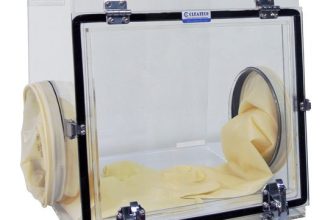
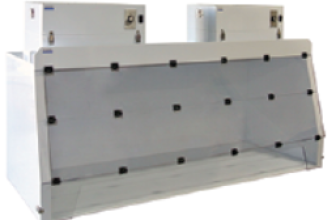
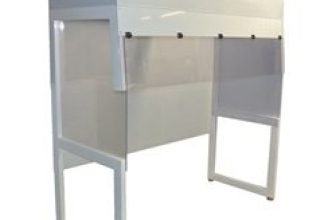
A benchtop fume hood is a compact ventilation system designed to capture and filter harmful fumes directly at the source. Unlike large traditional systems, these units fit conveniently on laboratory work surfaces, making them ideal for facilities with limited space. By improving safety, workflow, and productivity, benchtop fume hoods help you create a more efficient laboratory environment.
Enhance Safety Without Interrupting Workflow
One of the biggest obstacles to laboratory efficiency is dealing with safety risks. Exposure to hazardous fumes can lead to health concerns, work interruptions, and regulatory issues. When you use a properly designed benchtop fume hood, harmful vapors are captured before they spread throughout the workspace.
This allows you to focus on experiments and procedures without constantly worrying about airborne contaminants. A safer environment reduces distractions and minimizes the likelihood of incidents that could slow down operations or require additional corrective measures.
Maximize Limited Laboratory Space
Many laboratories operate within tight space constraints. Large ventilation systems may not be practical for every facility, especially in research labs, educational institutions, or small-scale production environments.
By installing compact benchtop fume hoods for chemical vapor containment, you can maintain effective protection without sacrificing valuable workspace. Their smaller footprint allows you to optimize laboratory layouts while still ensuring proper ventilation for sensitive processes.
The result is a more organized work area that supports efficient movement, equipment placement, and workflow management.
Improve Experiment Accuracy
Airborne contaminants can affect experimental outcomes, particularly when working with sensitive materials or precise measurements. Maintaining a controlled environment helps reduce the risk of contamination and ensures more reliable results.
Benchtop fume hoods provide localized airflow management, helping you maintain cleaner working conditions. When contaminants are effectively controlled, you can perform procedures with greater confidence and consistency.
Accurate results reduce the need for repeated testing, saving both time and resources while improving overall laboratory productivity.
Reduce Downtime and Maintenance Requirements
Traditional ventilation systems often require extensive installation, ductwork, and ongoing maintenance. These requirements can create operational disruptions and increase facility costs.
Modern benchtop fume hoods are designed for convenience and efficiency. Many ductless models feature advanced filtration systems that simplify installation and maintenance. Because they can often be placed directly on laboratory benches, setup times are significantly reduced.
Less downtime means your team can spend more time conducting research, testing products, or completing critical laboratory tasks.
Support Flexible Laboratory Operations
Laboratory needs frequently change as projects evolve. Equipment may need to be relocated, workflows adjusted, or new procedures introduced. Flexibility becomes an important factor in maintaining efficiency.
Portable benchtop fume hoods offer greater adaptability than permanently installed systems. You can reposition them as needed to support different workstations or changing operational requirements.
This flexibility allows your laboratory to respond quickly to new projects without investing in extensive facility modifications.
Increase Productivity Through Better Organization
An efficient laboratory relies on streamlined processes and organized workspaces. Benchtop fume hoods contribute to both by creating designated areas for handling chemicals and hazardous materials.
When procedures are performed within clearly defined containment zones, workstations remain cleaner and more organized. Employees spend less time preparing, cleaning, and troubleshooting workspace issues.
A structured environment helps improve focus, reduce errors, and support faster completion of laboratory tasks.
Meet Compliance and Quality Standards
Many industries must comply with strict safety and environmental regulations. Failure to meet these standards can lead to inspections, penalties, and operational delays.
Using high-quality benchtop fume hoods demonstrates a commitment to workplace safety and regulatory compliance. Proper containment and filtration help support industry requirements while protecting personnel and laboratory assets.
By maintaining compliance, you can avoid costly disruptions and keep projects moving forward without unnecessary setbacks.
Lower Operating Costs
Efficiency is not only about productivity—it is also about managing expenses. Large ventilation systems often consume significant energy and require costly infrastructure.
Compact benchtop fume hoods can help reduce operational costs by providing targeted ventilation where it is needed most. Instead of ventilating an entire room, contaminants are captured directly at the source.
This focused approach can improve energy efficiency while reducing long-term maintenance and operational expenses.
Choose the Right Benchtop Fume Hood
To maximize efficiency, select a system that matches your laboratory’s specific requirements. Consider factors such as:
- Types of chemicals being handled
- Airflow and filtration requirements
- Workspace dimensions
- Portability needs
- Maintenance requirements
- Regulatory standards
Investing in the right equipment ensures optimal performance and long-term value for your laboratory operations.
For reliable benchtop fume hoods designed for laboratory safety and efficiency, explore the solutions available from CleaTech LLC. Their product range supports a variety of laboratory applications while helping maintain safe and productive working environments.
Conclusion
Benchtop fume hoods improve lab efficiency by enhancing safety, conserving space, supporting accurate results, and reducing downtime. Their compact design allows you to create a more organized and flexible workspace while maintaining effective containment of hazardous fumes.
Whether you operate a research facility, educational laboratory, or manufacturing environment, investing in high-quality Benchtop Fume Hoods can help streamline operations and support long-term productivity. To learn more about available solutions and find the right system for your facility, visit the extensive selection of portable benchtop fume hoods for laboratory chemical handling offered by CleaTech. For personalized assistance, contact us today for expert guidance on laboratory containment solutions.
Frequently Asked Questions
What are benchtop fume hoods used for?
Benchtop fume hoods are used to capture and filter hazardous fumes, vapors, and airborne particles generated during laboratory procedures, helping protect personnel and maintain a safer workspace.
How do benchtop fume hoods improve laboratory efficiency?
They improve efficiency by reducing exposure risks, minimizing contamination, optimizing workspace usage, decreasing downtime, and supporting more accurate experimental results.
Are benchtop fume hoods suitable for small laboratories?
Yes. Their compact design makes them ideal for laboratories with limited space while still providing effective containment and ventilation.
What is the difference between ducted and ductless benchtop fume hoods?
Ducted units exhaust air outside the building through ductwork, while ductless models use filtration systems to clean and recirculate air within the laboratory.
How often should benchtop fume hood filters be replaced?
Filter replacement schedules depend on usage, chemical exposure, and manufacturer recommendations. Regular inspections help ensure optimal performance and safety.