When you need to understand the proteins in a complex sample, separation is often the first critical step. You need a method that can distinguish proteins according to their molecular size and produce patterns you can interpret with confidence. SDS PAGE electrophoresis provides a practical approach for separating proteins and examining their distribution within a sample. By understanding how the technique works and how to evaluate the resulting bands, you can make your protein analysis workflow more informative and consistent.
What Is SDS PAGE Electrophoresis?
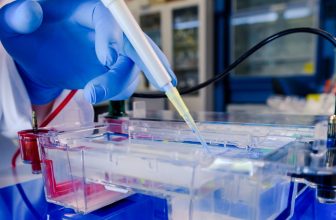
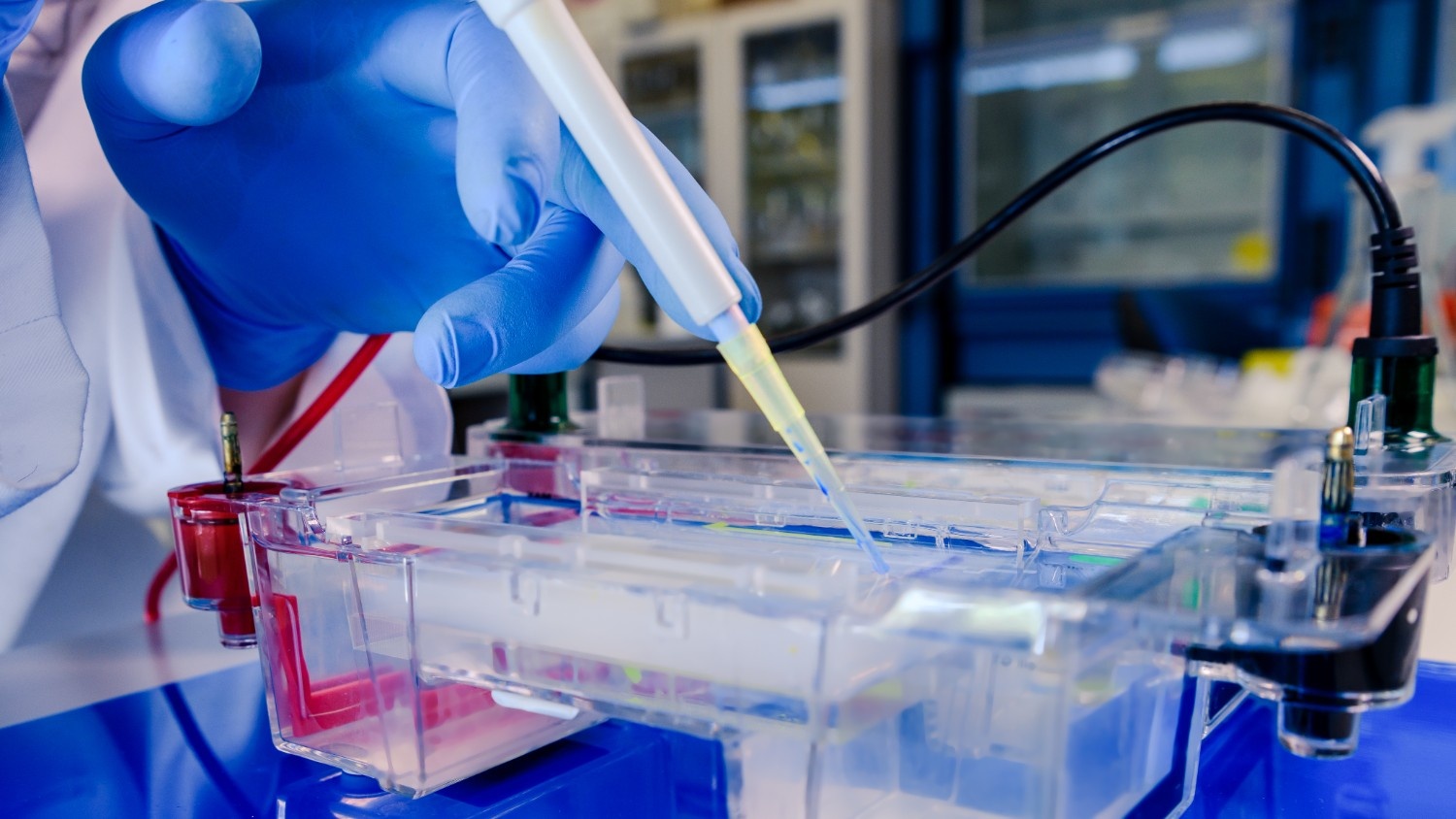
SDS-PAGE, or sodium dodecyl sulfate-polyacrylamide gel electrophoresis, is a laboratory technique used to separate proteins primarily according to molecular weight. SDS helps denature proteins and gives them a relatively uniform negative charge. When an electric field is applied across a polyacrylamide gel, proteins migrate through the gel matrix at different rates.
Smaller proteins generally move through the gel more easily than larger proteins. This creates distinct bands at different positions. You can compare these bands with molecular weight standards to estimate the apparent molecular sizes of proteins in your sample.
For researchers, this makes SDS-PAGE useful for checking protein composition, evaluating sample preparation, and supporting downstream analytical procedures.
Why Does Protein Separation Matter?
Protein samples can contain multiple components that are difficult to evaluate when they remain mixed together. Separation gives you a visual representation of the sample’s protein profile.
You can use electrophoretic separation to:
- Examine the number and distribution of visible protein bands.
- Estimate apparent molecular weights.
- Compare protein profiles between samples.
- Identify major changes in sample composition.
- Investigate possible sample preparation issues.
- Support protein purification and characterization studies.
- Prepare separated proteins for additional analytical techniques.
When you compare samples under consistent conditions, differences in band patterns can provide useful clues about changes in protein composition or processing.
How Can You Improve Your SDS-PAGE Results?
Reliable results begin before you load the gel. Your sample preparation, protein concentration, buffer conditions, loading volume, and electrophoresis parameters can all influence the final band pattern.
Start by ensuring that your samples are prepared consistently. Unequal protein loading can make one lane appear stronger than another, potentially creating misleading conclusions. You should also consider whether the sample has been adequately solubilized and denatured for the analytical objective.
During electrophoresis, appropriate gel selection and running conditions are important. If proteins migrate too quickly or too slowly, bands may become difficult to resolve. Overloaded samples can produce thick or distorted bands, while insufficient protein may generate weak signals.
After separation, carefully evaluate the overall pattern rather than focusing on a single band. Look for unexpected bands, smearing, differences in intensity, and changes in apparent molecular-weight distribution.
What Can Band Patterns Tell You?
A well-resolved gel can provide valuable information about your sample. A prominent band may indicate a highly abundant protein, while several bands can suggest a more complex protein mixture.
Smearing may indicate issues such as sample degradation, excessive loading, incomplete preparation, or unsuitable running conditions. Unexpected bands can prompt you to investigate contamination, degradation products, or differences between samples.
However, you should avoid treating an SDS-PAGE band as definitive proof of protein identity. Electrophoresis primarily provides separation and molecular-weight information. If you need identity confirmation, you may need additional analytical methods.
When Should You Consider Professional SDS-PAGE Analysis?
If your project involves multiple samples, demanding comparison requirements, or specialized protein characterization, professional laboratory support can help you establish a consistent workflow.
A specialized laboratory can help you address practical considerations such as sample handling, gel selection, electrophoresis conditions, staining, and interpretation. This can be particularly useful when you need reproducible results without developing every part of the procedure internally.
You can explore reliable SDS PAGE electrophoresis for protein separation and analysis to understand how a dedicated laboratory approach can support your research requirements.
How Can Kendrick Labs Support Protein Analysis?
Your results become more useful when the analytical process is designed around your specific research question. Kendrick Labs, Inc. has provided protein analysis and electrophoresis services for research applications for decades.
By working with an experienced laboratory, you can focus on interpreting meaningful protein patterns rather than managing every technical step internally. Reviewing available capabilities can also help you determine whether a particular electrophoresis approach fits your sample and project goals.
Explore Kendrick Labs, Inc. protein analysis and electrophoresis laboratory services when you need professional support for protein separation and characterization.
Practical Tips for More Reliable Protein Separation
Before starting your next SDS-PAGE project, consider these practical steps:
Define your analytical objective. Know whether you are comparing samples, evaluating purification, or examining protein composition.
Standardize sample preparation. Keep preparation conditions consistent across samples.
Control protein loading. Avoid excessive or insufficient sample quantities.
Choose appropriate gel conditions. Your expected protein-size range should influence your experimental setup.
Monitor electrophoresis carefully. Poor running conditions can affect resolution.
Evaluate the complete band pattern. Consider intensity, position, smearing, and unexpected bands.
Use complementary methods when necessary. Separation alone may not establish protein identity.
Document your conditions. Consistent records make sample-to-sample comparisons easier.
These steps can help you obtain clearer and more interpretable protein profiles.
FAQ About SDS PAGE Electrophoresis
What is SDS PAGE electrophoresis used for?
SDS-PAGE is used to separate proteins primarily according to their apparent molecular weight. It helps you examine protein profiles, compare samples, and evaluate protein separation.
Does SDS-PAGE identify proteins?
Not by itself. SDS-PAGE can provide information about apparent molecular size and band patterns, but additional analytical techniques may be required to confirm protein identity.
What causes smearing in SDS-PAGE?
Smearing can result from several factors, including overloaded samples, sample degradation, preparation problems, unsuitable running conditions, or issues with the gel or buffer system.
Why is consistent protein loading important?
Consistent loading allows you to make more meaningful comparisons between samples. Unequal loading can cause differences in band intensity that may not reflect genuine differences in protein abundance.
Can SDS-PAGE be used for complex protein samples?
Yes. SDS-PAGE can separate many proteins within complex samples, although the resolution you achieve depends on sample characteristics, gel conditions, and the molecular-weight range being examined.
Where can you get professional SDS-PAGE support?
If you need laboratory assistance with protein separation and analysis, you can contact us today for SDS PAGE electrophoresis support and discuss your project requirements.