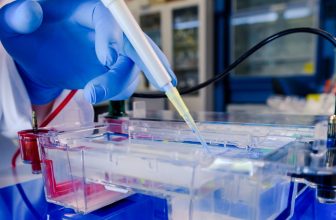
When you work with volatile chemicals, corrosive substances, solvents, powders, or other hazardous materials, you need more than a standard laboratory workbench. You need a controlled workspace that helps protect you from airborne contaminants while supporting safe and efficient laboratory procedures. A laboratory fume hood provides that dedicated environment.
A well-designed Laboratory Fume Hood captures and removes hazardous vapors, gases, fumes, and particulates from the work area. By understanding its features, applications, limitations, and operating requirements, you can choose and use the right hood for your laboratory.
What Is a Laboratory Fume Hood?
A laboratory fume hood is a ventilated enclosure designed to reduce your exposure to hazardous airborne substances during laboratory work. It typically includes an enclosed work chamber, movable sash, internal airflow system, exhaust connection, and work surface.
As you perform procedures inside the hood, contaminated air is drawn away from your breathing zone and discharged through an appropriate exhaust system or, in certain ductless designs, filtered before recirculation.
The hood does not eliminate every laboratory hazard. Instead, it serves as an important engineering control that works alongside appropriate personal protective equipment, safe chemical handling procedures, laboratory training, and facility ventilation.
Key Features of Laboratory Fume Hoods
Before selecting a fume hood, evaluate the features that directly affect safety, usability, and compatibility with your laboratory processes.
1. Enclosed Work Area
The enclosure provides a physical barrier between you and the materials being handled. The hood’s interior gives you a defined workspace for chemical procedures while helping contain airborne contaminants.
A properly sized work area also allows you to position equipment without unnecessarily blocking airflow.
2. Adjustable Sash
The sash is the movable transparent barrier at the front of the hood. You can raise or lower it to access your work while maintaining containment.
Keeping the sash at the recommended operating position is important. Opening it farther than necessary can affect airflow and reduce the hood’s containment performance.
3. Controlled Airflow
Airflow is central to fume hood performance. The ventilation system continuously moves air from the laboratory into the hood and toward the exhaust system.
Your laboratory should maintain the airflow conditions specified for the hood. Regular performance checks can help identify problems such as inadequate airflow, obstructions, or mechanical issues.
4. Chemical-Resistant Construction
Your choice of construction materials should reflect the chemicals and processes you use. Chemical-resistant surfaces can help reduce damage caused by corrosive substances and repeated exposure.
For demanding applications, consider the compatibility of the work surface, liner, fixtures, seals, and other internal components rather than evaluating only the exterior construction.
5. Interior Lighting
Adequate lighting allows you to see containers, instruments, labels, and reactions clearly. Good visibility can improve your accuracy and reduce avoidable handling mistakes.
Lighting should illuminate the work area without creating excessive glare that interferes with observation.
6. Utility Connections
Depending on the design, your fume hood may accommodate electrical outlets, water, gas, vacuum, drainage, or other laboratory utilities.
You should identify which utilities your procedures actually require before ordering equipment. Unused connections can complicate the workspace and may introduce additional safety considerations.
7. Ergonomic Design
You may spend considerable time working at the hood, so ergonomics matter. A suitable working height, comfortable access, clear visibility, and sensible equipment placement can make repetitive laboratory tasks easier.
Avoid overcrowding the work surface. Excess equipment and unnecessary containers can interfere with airflow and make your procedures harder to manage.
Common Applications of Laboratory Fume Hoods
Laboratory fume hoods are used across research, education, healthcare, industrial, pharmaceutical, environmental, and manufacturing environments.
Chemical Handling
You can use a fume hood when working with chemicals that may release hazardous vapors or fumes. Common examples include certain solvents, acids, bases, and reactive chemicals.
Always check the safety documentation for the substances involved before beginning work. A fume hood should not be treated as a universal solution for every chemical hazard.
Chemical Mixing and Preparation
When you prepare solutions or combine substances that may generate vapors, heat, or gaseous byproducts, a suitable hood can provide valuable containment.
Plan your procedure before starting. Gather the required materials, confirm chemical compatibility, and keep unnecessary items outside the hood.
Heating Volatile Materials
Some laboratory procedures involve heating substances that can produce hazardous vapors. Performing appropriate heating operations inside a compatible fume hood can help control airborne contaminants.
You should verify that the hood and associated equipment are appropriate for the specific process, temperature, and chemicals involved.
Research and Development
Research laboratories often handle unfamiliar compounds, experimental formulations, and evolving procedures. A properly selected hood can provide a controlled workspace for many chemical research activities.
Because experimental processes can change, consider flexibility when selecting equipment for a research environment.
Educational Laboratories
Schools, colleges, universities, and training facilities can use fume hoods to support demonstrations and laboratory exercises involving hazardous substances.
In educational settings, proper supervision and user training remain essential. Students should understand sash positioning, chemical handling, emergency procedures, and the limitations of the hood before beginning practical work.
Quality Control and Testing
Industrial and commercial laboratories may use fume hoods during testing, sample preparation, and analytical procedures that produce potentially hazardous airborne contaminants.
Your selection should reflect the specific testing methods, chemicals, sample volumes, equipment dimensions, and operating frequency involved.
How to Choose the Right Laboratory Fume Hood
Choosing the right hood starts with understanding your actual laboratory requirements.
Identify the hazards first. List the chemicals, concentrations, quantities, temperatures, and procedures you expect to use. Determine whether your work produces vapors, gases, fumes, dust, aerosols, or other airborne contaminants.
Consider the hood type. Conventional ducted hoods, bypass designs, high-performance models, and ductless systems serve different purposes. Your facility’s ventilation infrastructure and chemical requirements should influence the decision.
Check size requirements. Measure the available installation area and determine the largest equipment you need to place inside the hood. Select a working chamber that provides enough room without encouraging unnecessary storage.
Evaluate material compatibility. Match construction materials with your chemical exposure conditions. Aggressive chemicals may require specialized materials or finishes.
Review ventilation requirements. Work with qualified laboratory or facilities professionals to ensure the hood integrates correctly with the building’s ventilation system.
Consider maintenance. Ask how filters, fans, lights, controls, and other components will be inspected and serviced. A hood is a long-term laboratory investment, so maintenance should be part of your selection process.
For additional laboratory equipment and related solutions, explore Global Lab Supply to compare options that may suit your workspace and application requirements.
Safe Operating Practices
Your fume hood is most effective when you use it correctly.
Before starting work, confirm that the hood is operating and that required airflow indicators show normal conditions. Position the sash according to the manufacturer’s operating guidance.
Keep your face outside the hood and perform work at an appropriate distance inside the enclosure. Avoid storing unnecessary chemicals, equipment, or containers inside the hood because excessive clutter can interfere with airflow.
Do not use the hood as a permanent chemical storage cabinet. Keep containers closed whenever possible, clean spills according to your laboratory’s procedures, and remove waste promptly.
You should also avoid rapidly moving your arms in and out of the hood because unnecessary movement can disturb airflow. Keep large objects away from airflow openings and follow your facility’s standard operating procedures.
If the hood shows an alarm, unusual airflow, mechanical problem, or other malfunction, stop the affected procedure when it is safe to do so and follow your laboratory’s emergency procedures.
Ducted vs. Ductless Fume Hoods
A ducted fume hood connects to a building exhaust system and removes contaminated air from the laboratory. It is commonly selected for applications involving chemicals that require dedicated exhaust.
A ductless fume hood uses filtration to treat contaminated air before returning it to the laboratory environment. Its suitability depends heavily on the chemicals, concentrations, filtration technology, and operating conditions.
You should never assume that a ductless hood is appropriate simply because it is convenient to install. Review the chemical application and filtration requirements carefully before making a decision.
Maintaining Your Fume Hood
Regular maintenance helps preserve reliable performance. Your laboratory should establish inspection and testing procedures based on the equipment manufacturer’s recommendations, facility requirements, and applicable safety standards.
Keep the interior clean and inspect visible components for damage or chemical deterioration. Check the sash and other moving parts for proper operation. Airflow performance should also be evaluated by qualified personnel at appropriate intervals.
Record inspections, repairs, certifications, and maintenance activities so your laboratory can identify recurring problems and demonstrate that equipment is being managed responsibly.
Why Proper Selection Matters
A fume hood is an engineering control, not simply another laboratory fixture. Selecting an unsuitable model can create problems with containment, chemical compatibility, workspace, ventilation, and operating costs.
When you match the hood to your processes, you can create a safer and more practical work environment. You also make it easier for laboratory personnel to follow consistent procedures.
If you need help determining which laboratory equipment fits your application, use the Contact Us option to discuss your requirements with a qualified supplier before purchasing.
Frequently Asked Questions
1. What is the main purpose of a laboratory fume hood?
A laboratory fume hood is designed to reduce your exposure to hazardous airborne contaminants generated during laboratory procedures. It draws contaminated air away from the work area and directs it through an appropriate exhaust or filtration system.
2. What can you use a laboratory fume hood for?
You can use a fume hood for suitable procedures involving hazardous vapors, fumes, gases, and certain airborne contaminants. Common applications include chemical preparation, solvent handling, testing, research, and some heating operations.
3. Should you store chemicals inside a fume hood?
No. You should generally avoid using a fume hood as a chemical storage cabinet. Excessive storage can obstruct airflow, reduce usable workspace, increase clutter, and create additional hazards during laboratory operations.
4. Are ductless fume hoods suitable for every chemical?
No. Ductless hoods are application-specific. Their suitability depends on the chemicals, concentrations, quantities, filtration technology, and operating conditions. You should confirm chemical compatibility and filtration requirements before selecting a ductless model.
5. How often should a fume hood be inspected?
Inspection frequency depends on your facility requirements, applicable standards, manufacturer guidance, and the type of work performed. You should establish a documented inspection and performance-testing schedule and address airflow or equipment problems promptly.
Make Your Laboratory Workspace Safer
A properly selected laboratory fume hood can provide an important layer of protection when you handle hazardous airborne substances. To get the most from your equipment, match the hood to your chemicals and procedures, maintain appropriate airflow, keep the work area organized, and train every user in safe operating practices.
When you are evaluating equipment, focus on more than size and price. Consider construction materials, ventilation requirements, application-specific hazards, ergonomics, maintenance, and future laboratory needs. With the right approach, you can select a fume hood that supports both safety and productive laboratory work.
For product guidance or application-specific questions, Contact Us to discuss your laboratory requirements and identify an appropriate solution.