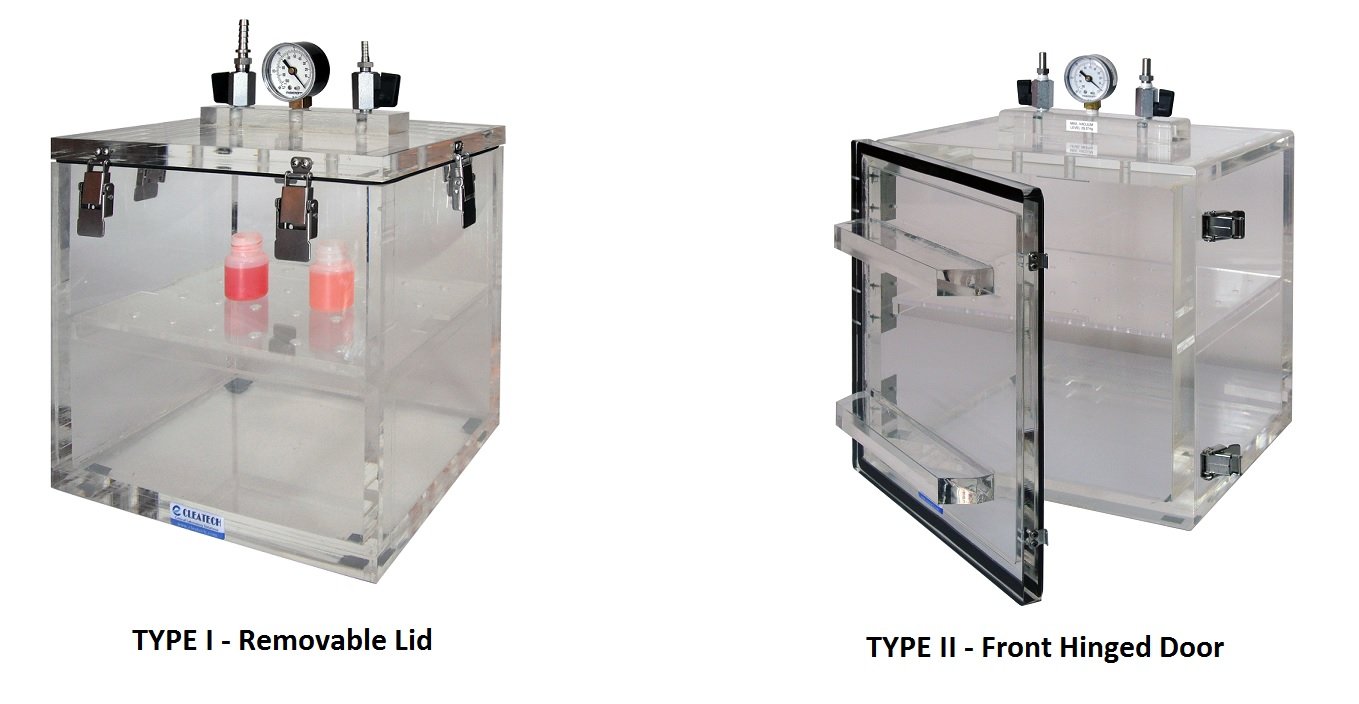
Protecting sensitive materials from moisture, contamination, and environmental damage is essential in any laboratory or controlled workspace. Whether you handle electronics, pharmaceuticals, chemicals, or biological materials, exposure to humidity can quickly reduce sample quality and accuracy. That is why you need reliable storage equipment designed to maintain stable conditions. A vacuum desiccator chamber offers an effective solution for preserving valuable samples while improving laboratory efficiency.
When you understand how this equipment works, you can make smarter decisions about sample storage and long-term protection.
What Is a Vacuum Desiccator Chamber?
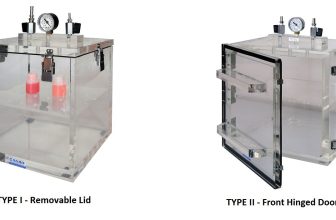
A high-performance vacuum desiccator chamber for moisture-sensitive sample protection is a sealed storage unit designed to remove air and humidity from the internal environment. By creating a low-pressure atmosphere, the chamber prevents moisture absorption and protects delicate materials from contamination.
Unlike standard storage cabinets, vacuum desiccator chambers actively reduce humidity levels through vacuum sealing and desiccant systems. This controlled environment helps preserve sample integrity for longer periods.
These chambers are commonly used in laboratories, research facilities, manufacturing plants, and cleanroom environments where precision matters.
Why Moisture Control Matters
Moisture can damage sensitive materials faster than you might expect. Even small amounts of humidity exposure can alter the chemical composition, electrical performance, or physical structure of a sample.
You may experience problems such as:
- Corrosion of metal components
- Degradation of pharmaceuticals
- Oxidation of electronic parts
- Contamination of laboratory samples
- Reduced shelf life of sensitive materials
- Inaccurate testing results
A vacuum desiccator chamber minimizes these risks by maintaining a dry and controlled environment. This protection becomes especially important when working with hygroscopic materials that absorb moisture from the air.
How a Vacuum Desiccator Chamber Works
A vacuum desiccator chamber preserves samples through a combination of airtight sealing, vacuum pressure, and moisture absorption.
Airtight Construction
The chamber is designed with tightly sealed doors and durable materials that prevent outside air from entering. This creates a stable internal environment that limits exposure to contaminants and humidity.
Vacuum Environment
Once sealed, the chamber removes air using a vacuum pump. Lowering the internal pressure reduces moisture levels and slows down oxidation processes. This vacuum environment also helps preserve sensitive compounds that react to oxygen exposure.
Desiccant Support
Many vacuum desiccator chambers include desiccants that absorb remaining moisture inside the cabinet. These drying agents improve humidity control and maintain optimal storage conditions over time.
Controlled Storage Conditions
The chamber provides consistent environmental control, allowing you to store samples safely for extended periods without frequent handling or exposure.
Industries That Benefit from Vacuum Desiccator Chambers
You can use vacuum desiccator chambers across many industries where moisture protection is critical.
Electronics Manufacturing
Electronic components are highly sensitive to humidity. Moisture exposure can damage circuits, reduce conductivity, and shorten product lifespan. Vacuum storage helps preserve delicate electronic parts before assembly and testing.
Pharmaceutical Laboratories
Pharmaceutical materials often require precise environmental control. Vacuum desiccator chambers help maintain drug stability and reduce contamination risks during storage.
Research and Development
Research facilities use vacuum chambers to protect experimental samples, chemicals, and analytical materials from environmental changes that could affect testing accuracy.
Aerospace and Defense
Advanced aerospace materials and precision instruments require moisture-free storage to maintain performance and reliability.
Biotechnology and Medical Applications
Biological samples and medical devices benefit from controlled storage environments that prevent degradation and contamination.
Key Features to Look For
Choosing the right vacuum desiccator chamber depends on your storage needs and laboratory requirements.
Important features include:
- Durable stainless steel or acrylic construction
- Strong vacuum sealing capability
- Adjustable shelving options
- Transparent viewing panels
- Chemical-resistant materials
- Easy-to-monitor pressure gauges
- Reliable humidity control systems
Selecting high-quality equipment ensures long-term performance and consistent sample protection.
Best Practices for Preserving Samples
Using your vacuum desiccator chamber correctly improves storage performance and extends sample life.
Keep the Chamber Clean
Regular cleaning helps prevent contamination buildup inside the chamber. Always follow manufacturer guidelines for maintenance and sanitation.
Monitor Vacuum Levels
Consistent vacuum pressure is essential for effective preservation. Check gauges regularly to ensure stable operating conditions.
Replace Desiccants When Needed
Desiccants lose effectiveness over time. Replacing them regularly helps maintain low humidity levels inside the chamber.
Avoid Frequent Door Openings
Opening the chamber too often allows moisture and contaminants to enter. Organize your samples efficiently to reduce unnecessary access.
Store Compatible Materials
Always confirm that stored materials are suitable for vacuum environments. Some substances may require additional precautions.
Advantages of Using a Vacuum Desiccator Chamber
Investing in a vacuum desiccator chamber offers several practical benefits for your laboratory or facility.
Improved Sample Longevity
Controlled environments help extend the lifespan of sensitive materials and reduce waste caused by environmental damage.
Better Testing Accuracy
Stable storage conditions minimize contamination risks and support more reliable experimental results.
Reduced Replacement Costs
Protecting valuable samples and components lowers the need for costly replacements.
Enhanced Workflow Efficiency
Organized, protected storage improves laboratory productivity and simplifies sample management.
Greater Environmental Control
Vacuum chambers provide consistent storage conditions that standard cabinets cannot achieve.
Choosing a Trusted Supplier
Working with an experienced manufacturer helps ensure you receive reliable equipment that meets industry standards. CleaTech LLC laboratory contamination control and vacuum storage solutions provides advanced cleanroom and laboratory equipment designed for demanding applications.
From vacuum desiccator chambers to controlled environment solutions, choosing high-quality products helps improve operational reliability and sample preservation.
If you want expert guidance for selecting the right storage solution, contact us today for custom vacuum desiccator chamber solutions and professional support tailored to your application needs.
Conclusion
A vacuum desiccator chamber plays a critical role in protecting moisture-sensitive samples from environmental damage, contamination, and degradation. By creating a controlled low-humidity environment, you can preserve valuable materials, improve testing accuracy, and extend sample life.
Whether you work in pharmaceuticals, electronics, biotechnology, or research, proper storage conditions directly impact your results and operational efficiency. Investing in reliable vacuum storage equipment helps you maintain quality standards while protecting sensitive materials for long-term use.
FAQs
What does a vacuum desiccator chamber do?
A vacuum desiccator chamber removes air and moisture from a sealed environment to protect sensitive samples from humidity, oxidation, and contamination.
Why is moisture harmful to laboratory samples?
Moisture can cause corrosion, chemical degradation, contamination, and inaccurate test results in sensitive materials and laboratory samples.
Can vacuum desiccator chambers store electronic components?
Yes. Vacuum desiccator chambers are commonly used to protect electronic parts from moisture damage and oxidation.
How often should desiccants be replaced?
Desiccants should be replaced according to manufacturer recommendations or whenever they become saturated and less effective.
What industries use vacuum desiccator chambers?
Industries including pharmaceuticals, electronics, biotechnology, aerospace, medical research, and manufacturing frequently use vacuum desiccator chambers for sample preservation.