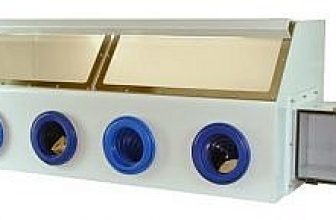
When you work in semiconductor manufacturing or research, precision and contamination control become non-negotiable. Even microscopic particles or chemical inconsistencies can ruin delicate wafers and compromise entire batches of chips. That’s why a wet bench plays such a crucial role in semiconductor processing. It provides a controlled environment where you can safely perform chemical cleaning, etching, and rinsing operations that are essential to producing high-quality semiconductor devices.
Understanding how a wet bench supports these processes helps you maintain efficiency, protect sensitive materials, and ensure reliable production outcomes.
Understanding the Role of a Wet Bench in Semiconductor Labs
In semiconductor fabrication, many processes involve strong chemicals such as acids, solvents, and oxidizers. These chemicals are used to clean wafers, remove contaminants, and prepare surfaces for further processing steps like lithography or deposition.
A wet bench is specifically designed to handle these chemical operations in a safe and controlled manner. It typically includes chemical-resistant surfaces, ventilation systems, and integrated sinks or tanks that allow you to manage liquid chemicals effectively.
When you use a high-performance wet bench for semiconductor wafer cleaning and chemical processing, you create a workspace that protects both the wafer and the operator from contamination and chemical exposure.
Ensuring Contamination-Free Wafer Processing
One of the biggest challenges in semiconductor manufacturing is contamination control. Even a tiny particle can disrupt electrical pathways on a microchip.
A wet bench helps you reduce contamination in several ways:
Controlled chemical handling – Specialized sinks and containers prevent cross-contamination.
Proper airflow systems – Ventilation removes chemical vapors and airborne particles.
Chemical-resistant materials – Surfaces prevent chemical reactions that could introduce impurities.
By working inside a dedicated wet processing station, you minimize environmental variables and keep wafer surfaces clean throughout the process.
Supporting Essential Semiconductor Processes
Semiconductor fabrication includes multiple chemical-based steps that must occur under tightly controlled conditions. Wet benches support several critical processes, including:
Wafer Cleaning
Before and after many fabrication steps, wafers must be thoroughly cleaned. Wet benches allow you to perform:
- RCA cleaning
- Solvent rinsing
- Acid-based contamination removal
These steps ensure that each layer of the semiconductor device forms properly.
Chemical Etching
Etching removes selected layers from the wafer surface. With a wet bench, you can precisely apply acids or chemical solutions that dissolve specific materials without damaging the wafer.
Oxide Removal
Native oxide layers can form on silicon surfaces. Wet chemical treatments performed in a wet bench help you remove these layers before deposition or doping steps.
Surface Preparation
Proper surface preparation improves adhesion and device performance. Wet benches allow you to perform chemical treatments that optimize wafer surfaces for the next fabrication stage.
Improving Laboratory Safety
Handling corrosive chemicals requires proper safety infrastructure. Without it, you risk exposure, spills, and equipment damage.
Wet benches are designed with safety features that help you work confidently:
- Ventilation systems remove hazardous vapors.
- Chemical-resistant construction prevents corrosion.
- Spill containment systems reduce accident risks.
- Integrated drainage safely removes chemical waste.
These features allow you to handle aggressive chemicals without compromising laboratory safety.
Increasing Process Efficiency and Workflow
Semiconductor fabrication involves multiple chemical steps performed in sequence. A well-designed wet bench improves workflow efficiency by keeping all necessary tools and systems within reach.
Key efficiency advantages include:
- Dedicated stations for chemical processes
- Organized chemical storage areas
- Integrated rinse and drying systems
- Ergonomic design for repeated operations
When your chemical processing workflow becomes more streamlined, you reduce downtime and improve productivity.
Protecting High-Value Semiconductor Materials
Silicon wafers and compound semiconductor substrates are expensive and sensitive. Improper handling can easily damage them.
A wet bench helps protect these materials by providing:
- Stable work surfaces
- Chemical compatibility with processing solutions
- Precise liquid handling environments
- Consistent processing conditions
By reducing environmental variability, you ensure better yields and fewer defective wafers.
Meeting Cleanroom Standards
Semiconductor facilities often operate under strict cleanroom standards such as ISO classifications. Equipment used in these environments must support contamination control and material compatibility.
High-quality wet benches are built using materials that meet cleanroom requirements. They also integrate ventilation systems designed to maintain airflow balance and prevent chemical fumes from spreading through the lab.
Working with reliable laboratory equipment providers like CleaTech LLC advanced cleanroom and laboratory equipment manufacturer helps you ensure your facility meets industry standards while maintaining operational efficiency.
Choosing the Right Wet Bench for Your Lab
Selecting the right wet bench can significantly affect semiconductor processing performance. When evaluating options, consider factors such as:
- Chemical compatibility with acids and solvents
- Ventilation and exhaust capacity
- Cleanroom compatibility
- Workspace configuration
- Integrated rinse and drainage systems
Investing in the right equipment allows you to maintain consistent wafer processing and protect both personnel and materials.
If you want to upgrade your laboratory setup or explore wet processing solutions, contact us today for expert guidance on selecting the right wet bench system tailored to your semiconductor processing needs.
Conclusion
A wet bench is far more than a chemical workstation. It is a critical component of semiconductor processing that supports wafer cleaning, chemical etching, oxide removal, and surface preparation. By providing a controlled environment for handling chemicals, it helps you maintain contamination-free workflows, improve safety, and protect valuable semiconductor materials.
Whether you operate a research laboratory or a semiconductor fabrication facility, the right wet bench ensures precision, reliability, and efficiency in every stage of wafer processing.
FAQ: Wet Bench in Semiconductor Processing
What is a wet bench used for in semiconductor fabrication?
A wet bench is used for chemical processing steps such as wafer cleaning, etching, oxide removal, and rinsing during semiconductor manufacturing.
Why is contamination control important in wet processing?
Contamination can damage micro-scale circuits on semiconductor wafers. Wet benches help control particles, chemical exposure, and environmental impurities during processing.
What materials are wet benches typically made from?
Wet benches are commonly constructed from chemical-resistant materials like polypropylene or stainless steel to withstand corrosive acids and solvents used in semiconductor processing.
How does a wet bench improve laboratory safety?
Wet benches include ventilation systems, spill containment, and corrosion-resistant surfaces that protect operators from hazardous chemical exposure.
Are wet benches required in cleanroom environments?
Yes. Wet benches are commonly used in cleanrooms because they support contamination control and safe chemical handling during semiconductor fabrication processes.