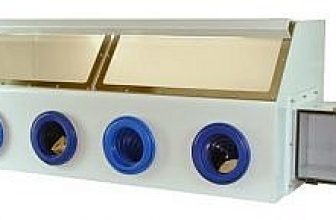
When you operate in a cleanroom or controlled laboratory, meeting ISO standards is not optional—it is essential. Whether you work in pharmaceuticals, biotechnology, electronics, or medical device manufacturing, you must maintain consistent air quality and particle control. One of the most reliable tools to help you achieve this is a Laminar Flow Hood.
If you want to understand how a ISO certified laminar flow hood for cleanroom particle control supports compliance and maintains strict ISO standards, this guide will walk you through the process step by step.
Understanding ISO Cleanroom Standards
ISO cleanroom standards, particularly ISO 14644-1, define the maximum allowable particle concentration per cubic meter of air. For example:
- ISO Class 5 allows only 3,520 particles (≥0.5 µm) per cubic meter.
- Higher ISO classes allow more particles, while lower classes require stricter control.
To meet these standards, you must control airborne contamination continuously. That’s where laminar airflow becomes critical.
How Laminar Flow Hood Controls Airborne Particles
A laminar flow hood works by directing filtered air in a uniform, unidirectional flow across your workspace. This airflow prevents turbulent mixing and sweeps particles away from critical processes.
Here’s how it maintains ISO standards:
HEPA or ULPA Filtration Efficiency
Your hood uses high-efficiency filters:
- HEPA filters remove 99.97% of particles ≥0.3 microns.
- ULPA filters remove 99.999% of particles ≥0.12 microns.
These filters are the backbone of ISO compliance. When properly maintained, they significantly reduce particle counts to meet ISO Class 5 or higher requirements.
If you invest in a high-performance vertical laminar flow hood system for ISO Class 5 cleanrooms, you create a localized clean zone even within a less controlled environment.
Unidirectional Airflow Prevents Cross-Contamination
Turbulent airflow allows particles to circulate randomly. Laminar flow eliminates this risk by pushing air in parallel streams at a constant velocity.
This unidirectional flow:
- Prevents contaminants from settling on sensitive materials
- Protects samples and products from environmental exposure
- Reduces operator-induced contamination
When airflow velocity remains within recommended standards (typically 90 feet per minute ±20%), your clean zone remains ISO compliant.
Positive Pressure Environment
Laminar flow hoods maintain positive pressure inside the workspace. This means clean air flows outward, preventing contaminated air from entering.
Positive pressure is crucial when you:
- Handle sterile components
- Assemble electronics
- Conduct pharmaceutical compounding
Maintaining proper pressure differentials ensures your workspace consistently meets ISO particle thresholds.
Consistent Air Changes Per Hour (ACH)
ISO standards require a specific number of air changes per hour depending on the cleanroom classification. A laminar flow hood delivers continuous filtered airflow that increases localized air change rates dramatically.
This constant circulation:
- Flushes out particulates quickly
- Stabilizes air cleanliness levels
- Maintains ISO classification during operations
Without consistent airflow, even a cleanroom can fail particle count testing.
Proper Installation Ensures ISO Compliance
Even the best laminar flow hood cannot maintain ISO standards if installed incorrectly. You should:
- Place the hood away from doors and high-traffic areas
- Avoid airflow disruptions from HVAC vents
- Ensure sufficient clearance around the unit
- Validate airflow velocity after installation
Professional-grade systems from CleaTech LLC cleanroom laminar flow hood manufacturer are engineered for optimal airflow balance and ISO validation support.
Routine Testing and Certification
To maintain ISO compliance, you must perform regular testing:
- Particle count testing
- Air velocity measurement
- HEPA filter integrity (PAO/DOP testing)
- Smoke pattern airflow visualization
Routine certification—typically every 6 to 12 months—ensures your hood continues to meet ISO Class requirements.
If you neglect testing, you risk non-compliance, contamination, and regulatory penalties.
Maintenance Practices That Protect ISO Standards
You can only maintain ISO standards if you maintain your equipment. Follow these best practices:
Clean Surfaces Regularly
Wipe down interior surfaces using approved cleanroom disinfectants before and after each session.
Replace Filters on Schedule
HEPA filters degrade over time. Monitor pressure drop and replace filters as recommended.
Monitor Airflow Indicators
Many modern laminar flow hoods include airflow alarms or digital monitors. Respond immediately to deviations.
Train Personnel Properly
Even with perfect airflow, improper hand movement or overcrowding the workspace can disrupt laminar patterns. Train your team to:
- Work slowly and deliberately
- Avoid blocking airflow grills
- Minimize rapid motions
Operator discipline plays a major role in ISO compliance.
Documentation Supports Regulatory Audits
Maintaining ISO standards isn’t just about performance—it’s about proof.
Keep detailed records of:
- Installation qualification (IQ)
- Operational qualification (OQ)
- Performance qualification (PQ)
- Filter replacement logs
- Calibration reports
These documents demonstrate your commitment to ISO compliance during audits.
Why Choosing the Right Manufacturer Matters
Not all laminar flow hoods are built equally. When you select a reliable manufacturer, you gain:
- Precision-engineered airflow systems
- High-quality HEPA filtration
- Durable cleanroom-compatible materials
- Technical support for certification
If you want expert guidance selecting the right ISO-compliant system for your facility, Contact us today for customized laminar flow hood solutions and professional assistance.
Final Thoughts
Maintaining ISO standards requires consistent particle control, proper airflow management, and disciplined operational practices. A laminar flow hood plays a central role in creating and sustaining a clean environment that meets ISO 14644 requirements.
When you invest in a high-quality laminar flow hood, install it correctly, test it regularly, and train your team properly, you build a controlled workspace that supports compliance, protects products, and strengthens your reputation.
Frequently Asked Questions
How does a laminar flow hood help meet ISO Class 5 standards?
A laminar flow hood uses HEPA or ULPA filtration combined with unidirectional airflow to reduce particle counts below ISO Class 5 limits, maintaining a controlled clean zone.
How often should a laminar flow hood be certified?
Most facilities certify their laminar flow hoods every 6 to 12 months, depending on usage and regulatory requirements.
What is the difference between horizontal and vertical laminar flow hoods?
Horizontal hoods push air directly toward the operator, while vertical hoods push air downward onto the work surface. Both maintain ISO standards when properly installed and maintained.
Can a laminar flow hood replace a cleanroom?
A laminar flow hood creates a localized ISO-classified environment, but it does not replace a full cleanroom when large-scale contamination control is required.
What maintenance is required to maintain ISO compliance?
Regular surface cleaning, filter replacement, airflow testing, and documentation are essential to maintaining ISO standards with a laminar flow hood.