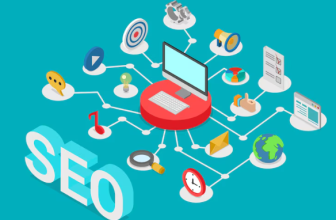
Building a sustainable SEO strategy helps you attract relevant visitors, strengthen your online presence, and generate consistent leads without relying on short-term tactics. Instead of chasing rankings or following every new trend, you need a practical plan that supports your business goals, meets customer expectations, and adapts to changes in search behavior.
Whether you operate a local business, an e-commerce store, or a service-based company, sustainable SEO requires a combination of technical performance, useful content, keyword research, quality backlinks, and ongoing measurement. When you focus on these fundamentals, you can build a website that remains useful to your audience and competitive in organic search over time.
1. Define Your SEO Goals and Business Objectives
Before investing time or money in SEO, identify what you want your website to accomplish. Higher rankings alone do not guarantee business growth. You need to connect search performance with measurable outcomes, such as qualified leads, online sales, appointment requests, or phone calls.
Start by reviewing your current website performance and identifying areas that need attention. For example, a local service provider might prioritize calls and quote requests, while an online retailer may focus on product visibility and completed purchases.
Set specific goals that help you measure progress. You can track organic traffic, keyword visibility, conversion rates, qualified leads, and revenue generated through organic search.
Your goals should also reflect your available resources. If you have a small marketing team, prioritize improvements that offer the greatest potential value rather than attempting to target every keyword and publish content every day.
Actionable tip: Establish a baseline using Google Search Console and Google Analytics. Record your current organic clicks, impressions, conversions, and landing-page performance before implementing changes.
2. Research Keywords Based on Search Intent
Keyword research helps you understand what your potential customers search for before choosing a product or service. However, a sustainable strategy requires more than collecting high-volume keywords. You must understand the reason behind each search.
Search intent generally falls into four categories:
- Informational: People want answers, instructions, or explanations.
- Navigational: People want to find a particular website or brand.
- Commercial: People compare services, products, or providers.
- Transactional: People are ready to purchase, book, or contact a business.
For example, someone searching for “how to improve website rankings” may want practical advice, while someone searching for “SEO services for small businesses” may be comparing potential providers.
Create content that matches these different stages of the customer journey. Use informational blog posts to answer questions, service pages to explain your solutions, and comparison content to help potential customers evaluate their options.
Avoid forcing the same keyword into every page. Instead, assign a primary topic to each important URL and use related phrases naturally throughout the content.
Actionable tip: Build a keyword map that connects each target phrase to a relevant page, search intent, and business objective. Review the map periodically to identify content gaps and overlapping pages.
3. Create Helpful, Original, and Relevant Content
High-quality content is a foundation of sustainable SEO. Your website should answer real questions, explain complex topics clearly, and help readers make informed decisions.
Start by identifying the questions customers frequently ask your sales team, support staff, or business representatives. Turn those questions into useful articles, detailed service pages, practical guides, and frequently asked questions.
Each page should provide a clear benefit. Avoid publishing multiple articles that repeat the same information with only minor keyword changes. Instead, create comprehensive resources that address the subject from relevant angles.
To improve content quality:
- Use descriptive headings that make information easy to scan.
- Provide practical examples, steps, and recommendations.
- Include original insights from your business experience.
- Support factual claims with reliable sources where appropriate.
- Update outdated information, statistics, and recommendations.
- Remove unnecessary wording that does not help the reader.
AI writing tools can assist with research organization, outlining, and editing, but the final content should be reviewed for accuracy, originality, usefulness, and brand consistency. Search optimization does not require avoiding AI tools; it requires producing content that offers genuine value.
A strong content strategy also supports answer-focused search experiences. When you answer a specific question directly, explain the reasoning, and provide useful supporting details, your content becomes easier for readers and search systems to understand.
4. Strengthen Your Website’s Technical SEO
Even excellent content may struggle to perform if search engines cannot access, crawl, or index your important pages effectively. Technical SEO helps maintain a reliable website structure and provides visitors with a better experience.
Begin with a technical audit. Check whether important pages are indexed, internal links work correctly, and your XML sitemap includes the URLs you want search engines to discover. Review your robots.txt file and canonical tags to identify potential crawling or indexing issues.
Website speed and mobile usability also deserve attention. Your visitors should be able to navigate pages, read content, and complete important actions without unnecessary delays.
Review Google’s Core Web Vitals, including loading performance, interaction responsiveness, and visual stability. Compress oversized images, remove unnecessary scripts, and evaluate whether your hosting or content management system affects performance.
You should also maintain secure HTTPS connections, clear navigation, descriptive page titles, and meaningful meta descriptions.
Structured data can help search engines interpret eligible information about your business, products, articles, and services. Implement relevant schema markup accurately, and remember that structured data does not guarantee enhanced search results.
Actionable tip: Schedule a technical SEO review every quarter and after major website redesigns, migrations, or platform updates. Resolve indexing errors and broken links before moving to lower-priority improvements.
5. Build a Clear Website Structure and Internal Links
Your website architecture affects how visitors navigate your content and how search engines discover relationships between pages. A clear structure helps people find relevant information without unnecessary clicks.
Organize your website around your main services, products, locations, and supporting resources. For example, a service page can link to relevant case studies, educational blog posts, and a contact page.
Internal links should use descriptive anchor text that explains what readers will find after clicking. Instead of generic phrases such as “click here,” use natural wording that reflects the destination.
If you want to learn about professional SEO support, a relevant article could link to an Apex SEO Company service page. Readers who are ready to discuss their requirements could follow a contextual Contact Us link.
These links should lead to the actual, relevant destination pages on your website. Since the specific URLs have not been provided here, confirm the correct page addresses before publishing the article.
Avoid adding links simply to increase their number. Every internal link should help readers navigate your website or understand a related topic.
6. Develop a Sustainable Link-Building Strategy
Relevant backlinks can help search engines understand your website’s reputation and connections within your industry. However, acquiring links through manipulative tactics can create unnecessary risks.
Focus on earning links through useful resources, industry expertise, original research, and genuine business relationships. You could publish a practical industry guide, contribute expert commentary to reputable publications, or share original data that other websites may reference.
Local businesses can also strengthen their online presence by maintaining accurate business information in relevant directories and building relationships with legitimate community organizations.
Evaluate potential backlinks based on relevance, editorial quality, and audience value rather than domain metrics alone. Avoid purchasing links intended to manipulate rankings, participating in link exchanges at scale, or publishing low-quality guest articles solely to obtain backlinks.
Remember that link acquisition takes time. A small number of relevant, editorially earned links may be more valuable to your long-term strategy than a large collection of unrelated links.
Actionable tip: Review your backlink profile periodically, investigate suspicious patterns, and focus outreach on websites whose audiences genuinely overlap with your target customers.
7. Optimize for Local SEO and Geographic Relevance
If your business serves customers in specific cities, neighborhoods, or service areas, local SEO can help you reach people looking for nearby solutions.
Start by maintaining an accurate Google Business Profile, including your business name, address or service area, phone number, operating hours, categories, and relevant services. Keep this information consistent with your website and other legitimate business listings.
Create location pages only when they serve a real customer need. Each page should include relevant service information, geographic details, practical benefits, and clear contact options. Avoid creating dozens of nearly identical pages that simply replace one city name with another.
Customer reviews also play an important role in building trust. Encourage genuine customers to share honest feedback, respond professionally to reviews, and address concerns constructively. Never purchase fake reviews or offer incentives in exchange for positive ratings.
Local content should answer questions specific to your service area. For instance, a home services company could explain regional scheduling considerations, service availability, or common property-related requirements.
Your location information should be accurate and useful rather than repeated excessively. Sustainable local SEO depends on relevance, consistency, credibility, and a positive customer experience.
8. Prepare Your Content for AI Search and Generative Engine Optimization
Search experiences increasingly include AI-generated summaries, conversational answers, and recommendations. You can prepare your website for these experiences by making your information clear, trustworthy, and easy to verify.
Generative Engine Optimization (GEO) focuses on helping your brand and content become understandable and potentially discoverable across AI-powered search experiences. However, no particular GEO technique guarantees that an AI system will mention or recommend your business.
Use these practical approaches:
- Answer important questions directly near the beginning of relevant sections.
- Explain technical concepts in plain language.
- Include accurate facts, examples, and supporting evidence.
- Demonstrate expertise through original insights and relevant experience.
- Keep your brand name, services, and business details consistent across trusted sources.
- Use descriptive headings and logical content organization.
- Update pages when important facts, services, or industry practices change.
You should also strengthen your business’s credibility through authentic customer testimonials, detailed service information, author expertise, and reliable citations where appropriate.
Avoid publishing large volumes of thin content simply to target AI search queries. Search systems can change, and tactics designed around a single platform may lose their value. A better approach is to create resources that help people regardless of how they discover your business.
9. Measure Performance and Improve Your Strategy Regularly
Sustainable SEO is an ongoing process rather than a one-time project. Regular measurement helps you understand which activities contribute to business results and where adjustments are necessary.
Use Google Search Console to review search impressions, clicks, click-through rates, average positions, and indexing information. Use Google Analytics to assess organic landing-page visits, engagement, and conversions.
Connect these metrics with your business objectives. Increased traffic is encouraging, but the value depends on whether visitors are relevant and whether they take meaningful actions.
Review performance monthly and conduct a deeper analysis quarterly. Identify pages that have lost visibility, queries generating impressions without clicks, and articles attracting traffic but producing few conversions.
When a page underperforms, investigate the cause before rewriting it. The issue could involve search intent, outdated information, technical errors, weak internal linking, or competition from more useful resources.
Prioritize improvements according to business impact, effort, and urgency. Avoid making multiple unnecessary changes at once because doing so can make results harder to interpret.
SEO performance can fluctuate because of competition, search updates, seasonality, and changing user behavior. Use several indicators rather than judging your strategy on a single ranking or a short reporting period.
10. Create a Practical Long-Term SEO Roadmap
A sustainable strategy becomes easier to manage when you break it into manageable stages. Your roadmap should reflect your website’s current condition, available resources, and business priorities.
A simple 90-day plan can help you establish a repeatable process.
Days 1–30: Audit and plan
Review technical SEO, identify important keyword opportunities, analyze competitors, assess existing content, and establish performance benchmarks. Prioritize problems that prevent search engines or users from accessing important pages.
Days 31–60: Implement improvements
Fix technical issues, improve important service pages, strengthen internal links, update outdated articles, and address local SEO gaps. Create new content only where you have identified a meaningful search or customer need.
Days 61–90: Evaluate and refine
Measure changes in organic visibility, qualified traffic, and conversions. Identify successful pages, investigate weak results, and prepare the next quarter’s priorities.
After the initial 90 days, continue reviewing your progress and adjusting the roadmap. Sustainable growth depends on consistent execution, realistic expectations, and evidence-based decisions rather than quick fixes.
If you need specialist support, an experienced SEO partner can help you establish priorities, identify technical problems, and build a strategy aligned with your business objectives. Choose a provider that explains its methods, measures meaningful outcomes, and avoids guarantees of specific rankings.
Conclusion
Building a sustainable SEO strategy requires a long-term commitment to useful content, technical reliability, relevant keywords, credible backlinks, and continuous improvement. When you connect these activities with your business goals, you create a stronger foundation for organic visibility and customer acquisition.
Start by auditing your website, understanding your audience, and fixing the issues that matter most. Then develop relevant content, strengthen internal links, maintain accurate local information, and measure results consistently.
Your objective should not be to chase every algorithm change. It should be to build a website that answers customer questions, demonstrates credibility, and makes it easy for visitors to take the next step.
With consistent effort and informed decisions, your SEO strategy can become a dependable part of your business’s long-term digital marketing efforts.
Frequently Asked Questions
1. What is a sustainable SEO strategy?
A sustainable SEO strategy focuses on long-term organic visibility through helpful content, sound technical practices, relevant keywords, credible backlinks, and ongoing performance analysis. It prioritizes user value and follows search engine guidelines rather than relying on manipulative shortcuts.
2. How long does it take to see SEO results?
SEO results often take several months to become noticeable, although timelines vary depending on competition, website condition, content quality, and implementation. New websites and highly competitive industries may require longer to establish meaningful visibility.
3. How often should you update your SEO strategy?
Review performance monthly and conduct a more comprehensive assessment quarterly. Update content when information becomes outdated, address technical issues promptly, and revise priorities when customer needs, search behavior, or business goals change.
4. Does local SEO help small businesses?
Yes. Local SEO helps eligible businesses improve their visibility for relevant location-based searches. Accurate business information, useful location pages, genuine customer reviews, and a well-maintained Google Business Profile can support local discovery and customer inquiries.
5. Can an SEO company help build a sustainable strategy?
An experienced SEO company can conduct audits, research keywords, improve website structure, develop content plans, and monitor performance. Choose a provider that communicates clearly, follows search engine guidelines, and connects SEO activities with measurable business goals.